
Revitalizing Old City Hall: A Mixed-Use Vision for Toronto’s Future
Toronto’s Old City Hall has long stood as a symbol of the city’s rich history, civic pride, and architectural grandeur. Built between 1889 and 1899, this Romanesque Revival-style landmark, designed by architect E.J. Lennox, served as the city’s main municipal building for nearly a century before transitioning into a courthouse. Now, with its upcoming vacancy this year, discussions surrounding its future have sparked debates on how best to balance heritage preservation with modern urban needs.
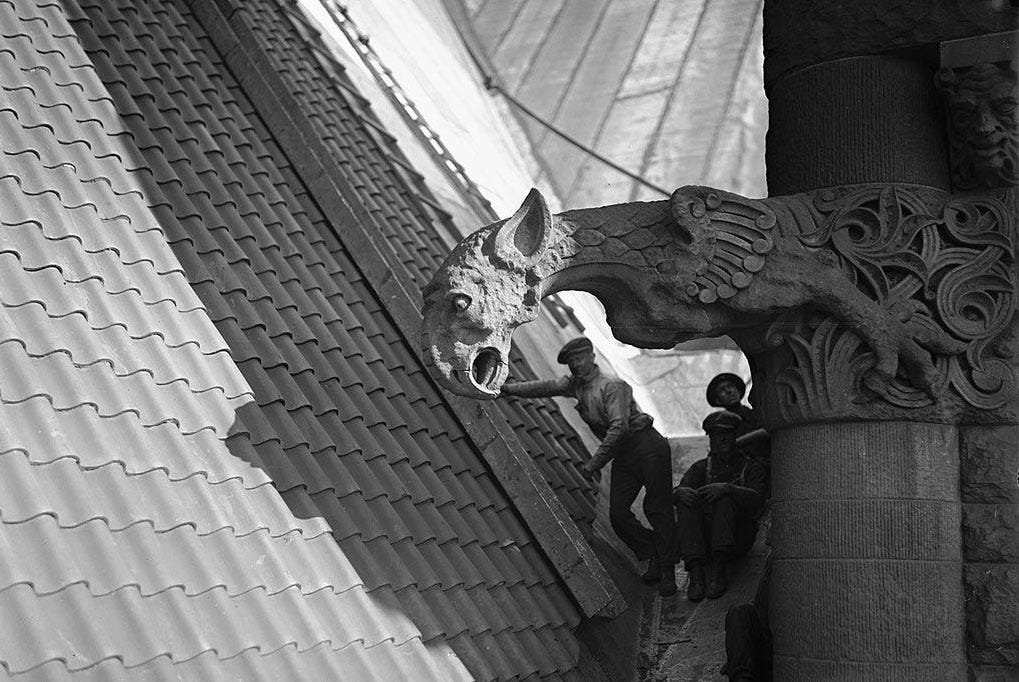
Gargoyle on the Gothic Tower at Old City Hall
Old City Hall is more than just a building—it represents a tangible link to Toronto’s past. It was the heart of civic decision-making, witnessing historical moments that shaped the city’s governance and identity. Its grand clock tower and intricate stonework remain a beloved part of the downtown skyline, standing as a reminder of Toronto’s architectural heritage. For many Torontonians, it is not just another piece of real estate but a cultural landmark deeply woven into the city’s collective memory.
Recognizing its significance, Old City Hall was designated a National Historic Site in 1989, ensuring that any future developments must respect its heritage value. This status means that while adaptive reuse is encouraged, there must be strict protections in place to prevent excessive commercialization that could erode its historical character.
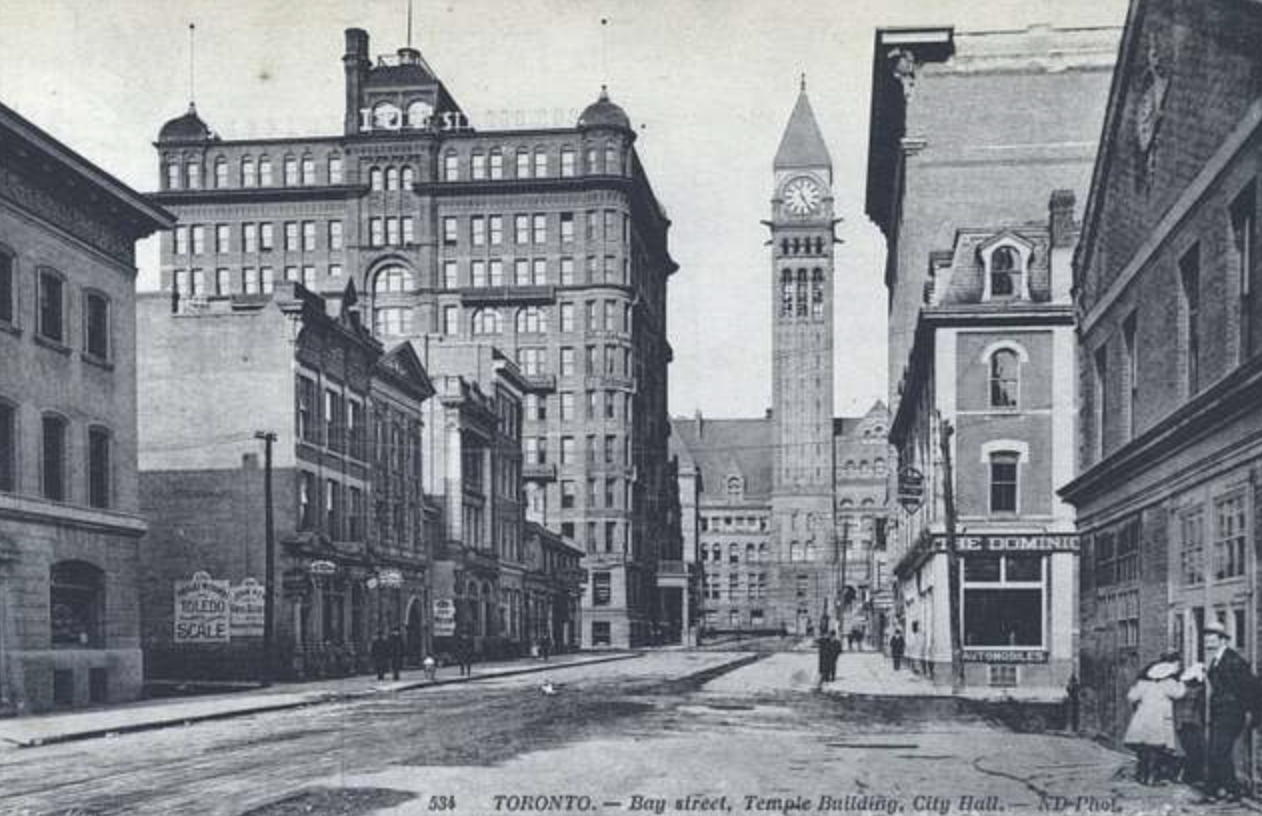
Old City Hall view from Bay Street
Balancing Mixed-Use Development with Preservation
As Toronto evolves, the demand for multi-functional urban spaces grows. Mixed-use developments can breathe new life into historic buildings, making them more accessible and financially sustainable. However, any transformation of Old City Hall must strike a careful balance between modernization and preservation. While there is a compelling case for incorporating cultural, public, and even commercial elements, the idea of converting the space into a retail-heavy development could undermine its historical and civic integrity.
Other heritage sites around the world have successfully adapted to modern uses without losing their character. For example, London’s Somerset House has become a hub for arts and culture while maintaining its historical essence. Similarly, New York’s Grand Central Terminal houses a mix of retail and dining spaces but remains fundamentally a transportation hub, preserving its original function.
Given its historical significance, Old City Hall must remain a space that prioritizes cultural and civic engagement rather than pure commercial gain. While incorporating cafes, bookstores, or small-scale businesses that align with its heritage might be viable, large-scale retail developments would risk erasing the building’s identity. There must be clear guidelines that prevent excessive commercialization, ensuring that any new purpose aligns with its legacy.
One proposed vision is transforming Old City Hall into a mixed-use cultural space featuring a Museum of Toronto, gallery spaces, and event venues. This would provide a sustainable financial model while maintaining the building’s public accessibility. Integrating a library, performance halls, or community gathering spaces could further cement its role as a dynamic civic hub without compromising its historical integrity.
Honouring the Past, Shaping the Future
As Toronto prepares to decide the fate of Old City Hall, it is essential to remember that this building is more than just valuable real estate—it is a piece of the city’s soul. While adaptive reuse offers exciting opportunities, it must be approached with care to ensure that Old City Hall remains a proud reflection of Toronto’s history, not just another commercial space. By enforcing thoughtful restrictions and prioritizing cultural and civic functions, the city can ensure that this historic landmark continues to resonate with future generations while serving the evolving needs of Toronto’s urban landscape.